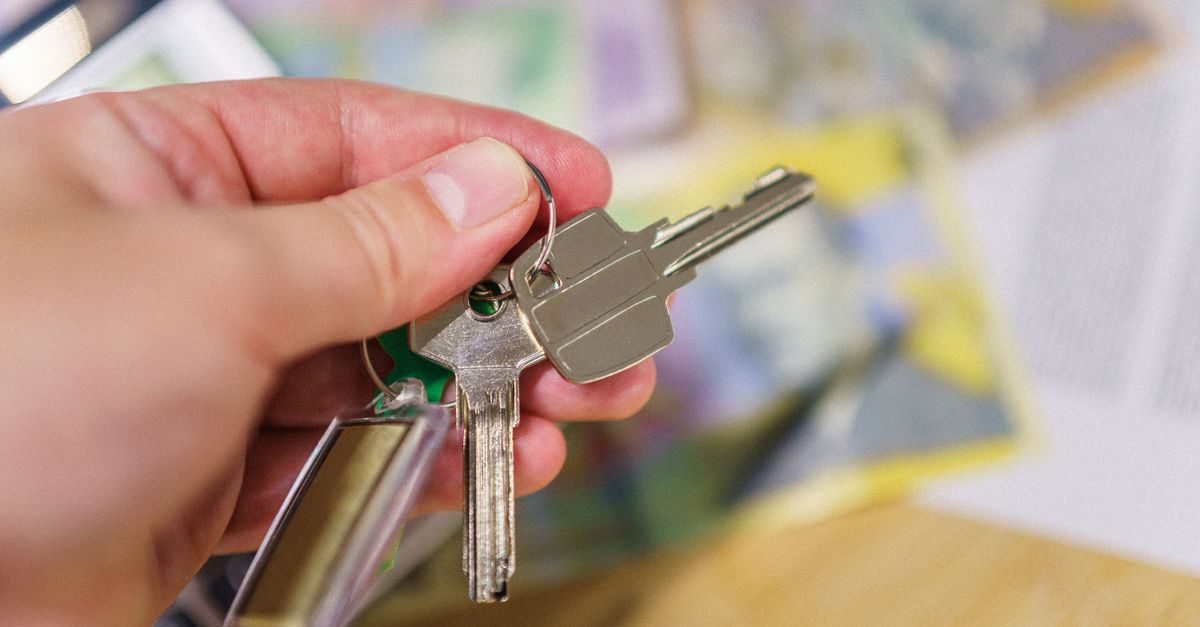
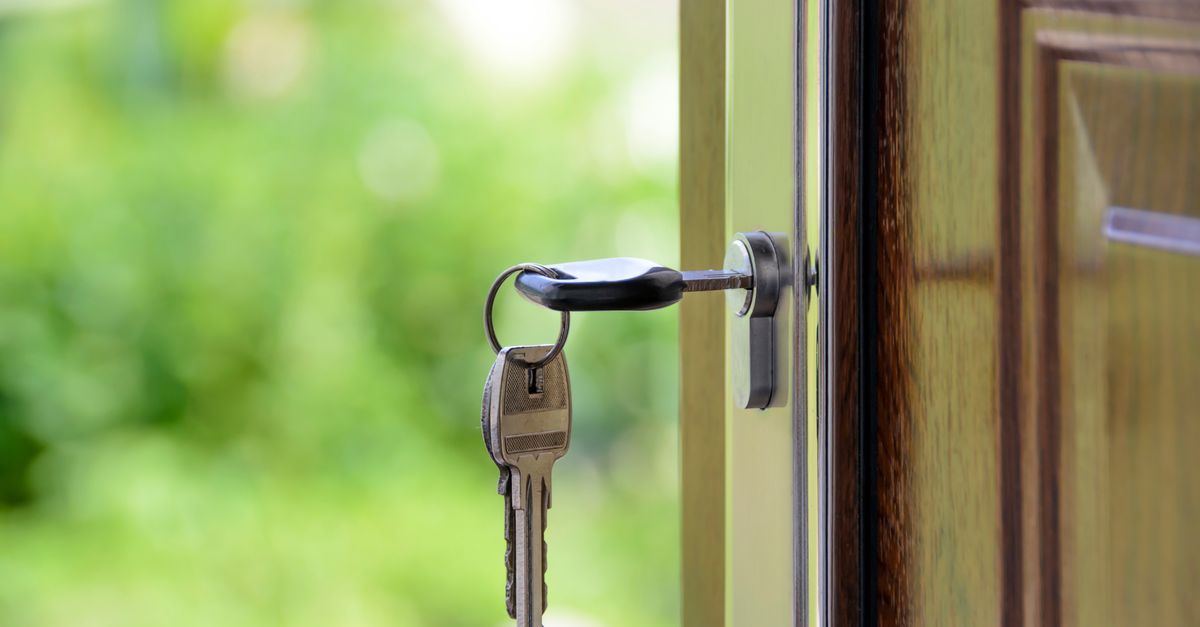
Palisade Park Locksmith Service Team
Local locksmith team
Apr 10, 2026 12 min read

If you run a shop or office on Broad Avenue, you already know that Palisades Park moves fast — early deliveries, rotating staff, back-to-back customers, and a dense commercial corridor where security gaps get noticed quickly. What most business owners don't realize is that a single overlooked detail on a storefront door knob lock, an aging mortise lock cylinder, or a fob system nobody has audited in two years can turn a routine Tuesday into an expensive emergency. This checklist is built specifically for Palisades Park business owners who want to stay ahead of that problem.
We've put together a practical, room-by-room, hardware-by-hardware walkthrough covering the locks, panic hardware, and access control systems that Broad Avenue shops and offices rely on every day. Whether you're a restaurant owner near the intersection of Broad and Central Boulevard, a salon manager, or a small office running a rotating staff, the steps below will help you spot vulnerabilities before they cost you time, money, or worse.
## Start at the Front: Inspecting Your Exterior Door Knob Lock and Mortise Lock
The front door is the first line of defense for any commercial storefront, and it deserves more than a quick rattle-check each morning. Start by examining the exterior door knob with lock and key — look for visible wear on the keyway, wobble in the cylinder, or a knob that turns more loosely than it should. On most Broad Avenue storefronts, the exterior hardware has been in place for years, and the internal springs and pins that hold the mechanism together degrade quietly. A mortise lock — the rectangular body that sits inside a pocket cut into the door edge — is the workhorse of commercial door security. Inspect the faceplate for separation from the door edge, check that the bolt extends fully and seats cleanly into the strike plate, and confirm the case itself hasn't shifted. A mortise lock that's even slightly misaligned puts enormous stress on the cylinder every time the door is opened or closed.
Next, pair that mortise lock inspection with a look at the deadbolt lock and door knob set as a combined system. On commercial doors, these two components work together, and a failure in one puts the other under compensating stress it wasn't designed to handle. Look at the strike plate screws — commercial-grade installations should use screws long enough to anchor into the door frame stud, not just the thin casing. If your door has a rim lock and knob set rather than a mortise body, confirm the rim lock's mounting bolts are tight on the interior face and that the rim cylinder hasn't been forced or drilled at any point. These are the details that separate a door that holds from one that doesn't.
## Panic Hardware, Back Doors, and the Locks Staff Actually Use Every Day
Panic hardware — those horizontal push bars on emergency exit doors — is required by fire code on most commercial occupancies, but code compliance and functional security are two different things. Push the bar on each exit door and time how long the latch retracts. If there's a delay, sticking, or grinding, the mechanism needs service before it becomes a code violation or, worse, a genuine emergency. Check that the door closes and latches completely on its own every single time — a back door that requires a deliberate pull to close is a back door that gets left open by a busy employee at 10 PM. Also walk each back and side entry with fresh eyes: look at the door knob lock or cylindrical lockset that staff use for daily access, and check for signs of forced entry attempts like scratching around the keyway or a bent strike plate.
The interior door knob with lock and key on offices, stockrooms, server closets, and manager offices deserves the same scrutiny as the front. A bedroom door knob with lock and key-style privacy lock on a back office may have been a cheap placeholder when the tenant moved in — if it's protecting a safe, a server rack, or cash drawers, it needs to be upgraded to a keyed commercial-grade cylindrical lock or a mortise lock unit. Our team installs and re-keys both cylindrical and mortise lock hardware across Palisades Park commercial properties, and we can tell you on the spot whether what you have is the right tool for what you're protecting. If you'd like a same-day assessment, call 201-380-6005 — we're available around the clock.
## Fob Systems, Keypad Access, and the Access Control Audit Every Commercial Locksmith Recommends
Electronic access control — key fobs, keypad entry, proximity cards — is increasingly common on Broad Avenue storefronts and office suites, and it introduces a different category of security risk than mechanical hardware. The most common problem we find on commercial fob systems isn't a technical failure; it's an administrative one. Former employees whose fobs were never deactivated, master codes that haven't changed since installation, and fob logs that nobody reviews are all open doors waiting to be walked through. A thorough access control audit means pulling the user list, cross-referencing it with your current employee roster, and deactivating every credential that belongs to someone who no longer works there — that afternoon, not at the next quarterly review.
Beyond user management, check the physical installation of every keypad reader and fob reader panel. Look for tampering marks, confirm the wiring conduit hasn't been disturbed, and test each reader's response time and range. Battery-backed units should be tested under simulated power-loss conditions at least once a year. If your system is more than five to seven years old and was installed by whoever built out the space before you, it may be running on firmware that hasn't been updated or hardware that the manufacturer no longer supports. A qualified commercial locksmith can assess whether your existing system can be updated or whether a replacement is the more practical investment — and can walk you through what factors will shape that cost, including the number of access points, the type of credentials you want to use, the hardware brand, and the scope of the installation.
## What a Professional Mortise Lock Service Actually Includes — and When to Call an Emergency Locksmith
A full mortise lock service on a commercial door is not a five-minute job, and it's worth understanding what it covers so you know whether the hardware you have is being properly maintained. A professional service includes removing the mortise case from the door, inspecting and lubricating the internal levers and springs, checking the cylinder for wear and re-pinning or replacing it if necessary, verifying the faceplate and strike plate alignment, and reinstalling with torque-appropriate fasteners. If the mortise body itself has cracked castings or a seized lever mechanism, replacement is the right call — re-pinning a compromised case only delays the failure. We carry mortise lock hardware for commercial applications and can complete most mortise lock installations in a single visit to your Palisades Park location.
An emergency locksmith call is a different scenario — it's reactive rather than preventive, and the factors that shape your cost will differ from a planned service visit. When you call us for an emergency lockout or a lock failure at your storefront, we confirm an exact up-front price before any work begins. That price reflects things like the type of lock involved, the time of day, our travel distance to your location on Broad Avenue or anywhere else in the Palisades Park area, and any parts required. We never begin work until you've agreed to that confirmed price — no surprises on the invoice. If you're locked out of your storefront right now, call 201-380-6005 and we'll have someone on the way.
## 25 Commercial Locksmith and Access Services Available to Palisades Park Businesses
Running a business in Palisades Park means you may need more than one type of service over the life of your lease. Here is a specific breakdown of what our team provides to commercial clients in this area: mortise lock installation and full mortise lock service; commercial deadbolt installation and replacement; exterior door knob with lock and key replacement; rim lock and knob set installation; door knob lock re-keying for individual offices or full-building master key systems; panic bar and exit device installation, adjustment, and repair; electronic keypad access control installation; key fob system setup and user credential management; proximity card reader installation and programming; master key system design and implementation; commercial lockout response and emergency entry; high-security cylinder upgrades for commercial doors; door frame and strike plate reinforcement; storefront glass door lock installation; sliding door lock and security bar installation; mailroom and common-area lock re-keying; server room and restricted-access room lock upgrades; lock replacement after a break-in or attempted forced entry; safe lock service and combination changes for office safes; cabinet lock installation and replacement; push-button keypad lock installation for retail stockrooms; intercom and electric strike integration; commercial door closer adjustment and hardware coordination; duplicate key cutting for staff key sets; and scheduled commercial security assessments for multi-unit or multi-door properties. If you have a service need not listed here, call 201-380-6005 — we'll tell you directly whether it's something we handle.
A note on kiosk key duplication: some Palisades Park business owners have tried self-service key copy kiosks located inside local grocery stores, including ShopRite locations in the area. These kiosks can duplicate basic residential keys for home use, but they are not a replacement for commercial re-keying, high-security key duplication, or any work that involves access control credentials, fobs, or restricted keyways. A kiosk copy of a worn commercial key can introduce tolerance errors that cause cylinder problems over time. For any key that controls access to a business, a staffed locksmith service is the right call — not a machine that has no way to verify key condition, keyway restrictions, or duplication authorization.
## Palisades Park Security Context: What the Local Environment Means for Your Lock Choices
Palisades Park is a densely developed borough in Bergen County — roughly one square mile with a commercial corridor, residential blocks immediately adjacent to retail, and significant foot and vehicle traffic along Broad Avenue and its side streets. That density creates convenience for businesses, but it also means storefronts are in close proximity to high-traffic public areas at all hours. Property crime in Bergen County, including Palisades Park, follows patterns common to dense commercial corridors: opportunistic entry attempts on doors with worn or misaligned hardware, back-door access during busy morning delivery windows, and after-hours vulnerability on properties with single-cylinder deadbolts and no secondary access control. These aren't worst-case scenarios — they're the situations our team responds to regularly in this neighborhood.
The practical takeaway for Broad Avenue business owners is this: your lock choices should match your actual risk profile, not the minimum standard set when the space was originally built out. If your storefront has a single-cylinder deadbolt and an aging door knob with lock and key set that hasn't been re-keyed since your last employee turnover, that's a combination worth addressing now rather than after an incident. A door with a properly serviced mortise lock, a reinforced strike plate, and a managed fob or keypad system for staff access is a meaningfully different security posture than what most Palisades Park storefronts have in place today. Our team works in this neighborhood regularly and can give you a practical, honest assessment of where your property stands.
Frequently asked questions
How much does a locksmith cost in NJ, and what determines the final price for commercial work?+
There is no single flat answer because the cost of locksmith services in New Jersey — including commercial work in Palisades Park — depends on several specific factors: the type of hardware involved (a mortise lock service costs more than a basic re-key), the time of day the work is performed, the distance our team travels to your location, and whether replacement parts are needed. What we commit to on every job is confirming an exact up-front price before any work begins, so you always know what you're agreeing to before we start.
What is the average call-out fee for a locksmith, and how does an emergency locksmith cost compare to a scheduled visit?+
Call-out fees and emergency locksmith costs vary by provider and by the specifics of the job. For our team, the factors that shape any service call price include time of day, travel distance to your Palisades Park location, the type of lock or access system involved, and the parts required. Emergency calls — after-hours storefront lockouts, for example — may reflect different pricing than a pre-scheduled commercial hardware installation. We confirm the exact price up front every time, before any work begins, so there are no surprises.
Is a kiosk key copy from a store like ShopRite safe to use for my business?+
For basic home or office keys on standard residential keyways, kiosk copies can work. But for commercial applications — restricted keyways, high-security cylinders, master key systems, fobs, or access cards — a machine kiosk is not an appropriate solution. Kiosks cannot verify key condition, duplication authorization, or keyway restrictions, and a tolerance error on a commercial key can cause cylinder wear or failure over time. Any key controlling business access should be duplicated or re-keyed by an experienced commercial locksmith.
How often should a Palisades Park business owner have their commercial locks professionally inspected?+
For most commercial storefronts on a busy corridor like Broad Avenue, a professional lock inspection at least once a year is a practical baseline. Higher-traffic locations — restaurants, retail shops, multi-staff offices — benefit from a review every six months, particularly after any employee turnover, after a break-in attempt, or when a key is lost. Mortise lock hardware should be lubricated and inspected annually at minimum, and fob or keypad user lists should be audited any time a staff member with access credentials leaves the business.